Summer brings long workdays, dry fields, heavy chores—and heavy ATV/UTV use. FarmHER + RanchHER partnered with Nationwide Agribusiness to provide ProtectHERs with safety guidance on operator behavior, equipment fit, and risk awareness to prevent crashes, rollovers, and injuries during peak-season use, keeping our families and operations safe and protected each and every day.
“It’s the right time to raise ATV/UTV safety awareness for farmers, ranchers and their families – especially their youngest members” – Dirk Pollitt, Vice President Farm Sales & Underwriting, Nationwide Agribusiness
Seven Ways to Practice ATV/UTV Safety on Farms and Ranches
1. Match the machine to summer workloads
Summer often means hauling feed, fencing supplies, and tools across uneven terrain. Nationwide emphasizes using properly sized equipment for the job and ensuring the machine isn’t overloaded, which can quickly affect stability and handling.
2. Slow down on dry, dusty, or unfamiliar terrain
Dry summer conditions reduce traction and increase dust-related visibility issues. Safe operation depends on controlled speed, especially when turning, cresting hills, or crossing uneven ground where rollover risk increases.
3. Respect rollover risks—especially on slopes
Nationwide highlights rollover as one of the most serious ATV/UTV hazards. Summer tasks like field scouting or fence work often involve side slopes and ditches that can destabilize equipment if operators aren’t cautious.
4. Keep youth riders off high-risk equipment
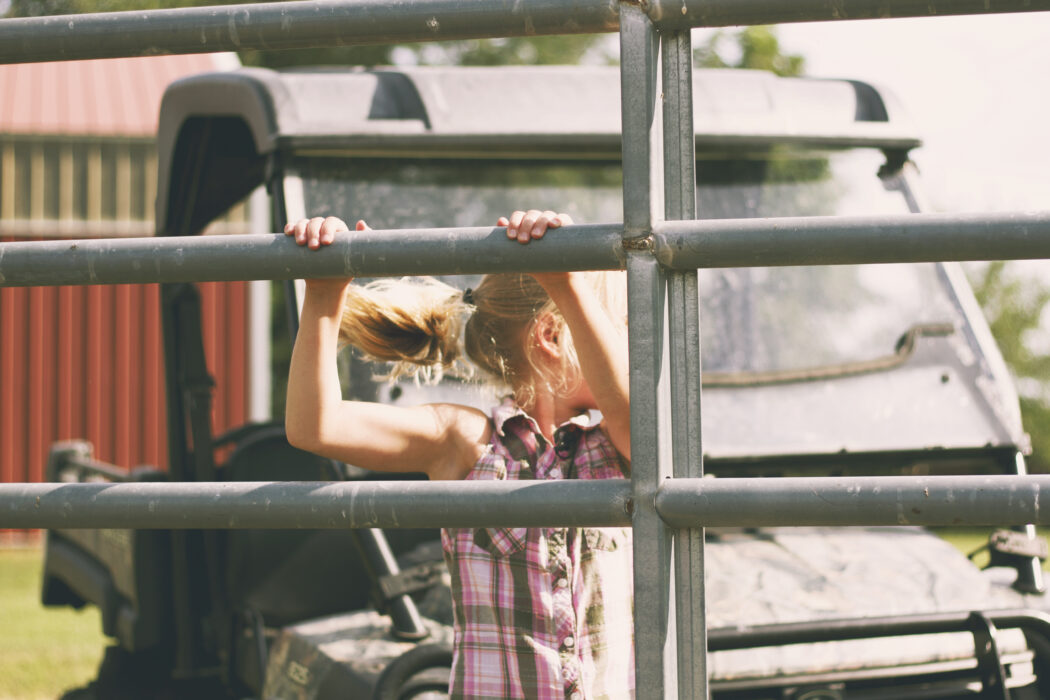
Summer often means more help on the farm, but Nationwide’s youth safety guidance is clear: age-appropriate machines only, close adult supervision, and no passengers on single-rider ATVs. As many parents in rural America know, children and teens see all-terrain vehicles (ATVs) and utility task vehicles (UTVs) as ways to get more work done and have a lot of fun on a farm or ranch. But without proper training and safe riding practices, these machines can pose risks to young operators. It’s something Charles Jennissen, MD, knows well.
The pediatric emergency medicine physician with the University of Iowa Department of Emergency Medicine and the Stead Family Department of Pediatrics grew up on a Minnesota dairy farm. His personal experience is a big reason why he is a champion for UTV/ATV safety.
“I grew up on a dairy farm in central Minnesota. My first cousin and another neighbor child were on an ATV one day. Neither was wearing a helmet. They drove out of a farm driveway and onto a public road and were hit by a pickup,” said Jennissen, who helped write recommendations on behalf of the American Academy of Pediatrics for safe ATV/UTV use for youth. “Both were killed on the scene. Their deaths are why I’m so interested in ATV/UTV safety.”
5. Never treat rural roads as “low risk”
Even in good weather, roadway travel is a major risk factor due to speed differences and limited visibility between ATVs/UTVs and vehicles. Nationwide stresses that legal access doesn’t equal safe access—especially during busy summer traffic seasons.
6. Use proper restraints and protective gear every time
UTVs should always be operated with seat belts in use, and ATV riders should wear appropriate protective gear. Nationwide reinforces that safety equipment significantly reduces injury severity in crashes.
7. Build consistent “safe decision” habits—not shortcuts
Nationwide’s “Three Pillars of ATV/UTV Safety” emphasize going beyond what is legal and asking what is smart and right. That mindset is especially important during summer, when long hours and heat can lead to rushed decisions.
Whether you’re on a farm, construction site or trail, the right coverage is essential. Learn how ATV and UTV insurance works and explore coverage options available through Nationwide.
ProtectHER: Leading the Way in Farm and Ranch Safety
Since 1926, Nationwide®—founded by farmers, for farmers—has been committed to protecting what matters most. Today, that legacy continues through ProtectHer, a partnership with FarmHER + RanchHER that celebrates the women who lead with care, courage, and intention.
Across generations, women have often played a vital role in protecting their families, farms, and futures. On the road, in the fields, and at home, they are frequently the driving force behind safety and sustainability. ProtectHer honors these women – those who make safety second nature and legacy a priority.
Together we’re creating a ripple effect of protection across farms, ranches, and ag operations—because when women lead, everyone is safer.