As women in agriculture, we know our families and animals depend on us. That’s why FarmHER + RanchHER partners with Nationwide to discuss critical safety issues facing the agricultural community.
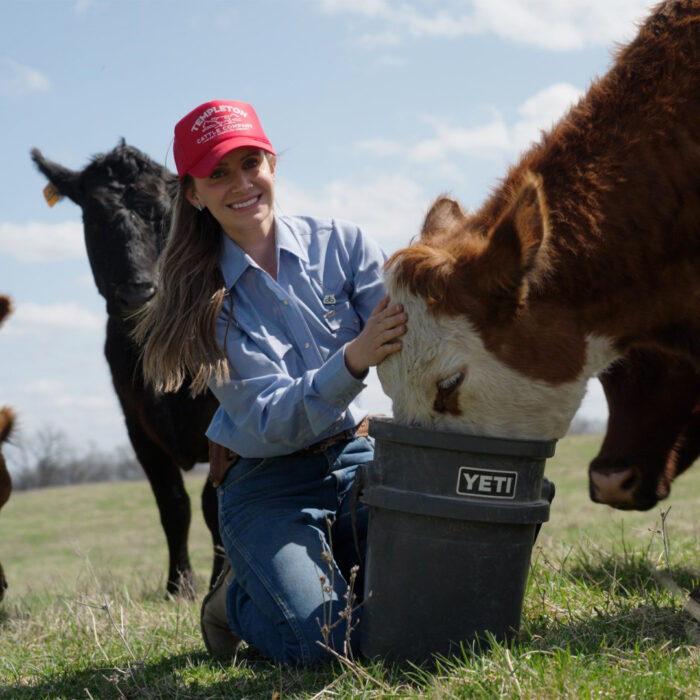
Working with livestock is a daily responsibility that requires patience, awareness, and preparation. Whether caring for cattle, horses, sheep, goats, or hogs, ProtectHers know that understanding animal behavior and maintaining safe handling practices can help prevent injuries and reduce stress on both animals and handlers.
1. Treat animals with respect
Livestock are powerful animals with natural instincts that can change quickly. Staying calm, moving deliberately, and respecting an animal’s space can help create safer interactions and reduce unnecessary stress.
2. Understand animal behavior
Knowing your animals and recognizing their behavior characteristics is essential for proper care and safety. Animals may react differently when startled, sick, stressed, protective, or separated from the herd. Learning how livestock respond to movement, noise, and pressure can help handlers avoid dangerous situations.
3. Keep handling areas clean and safe
Handling facilities, barns, alleys, and loading areas should remain free from debris, mud, ice, or clutter that could lead to slips and falls. Safe footing protects both livestock and handlers during daily chores and transport.
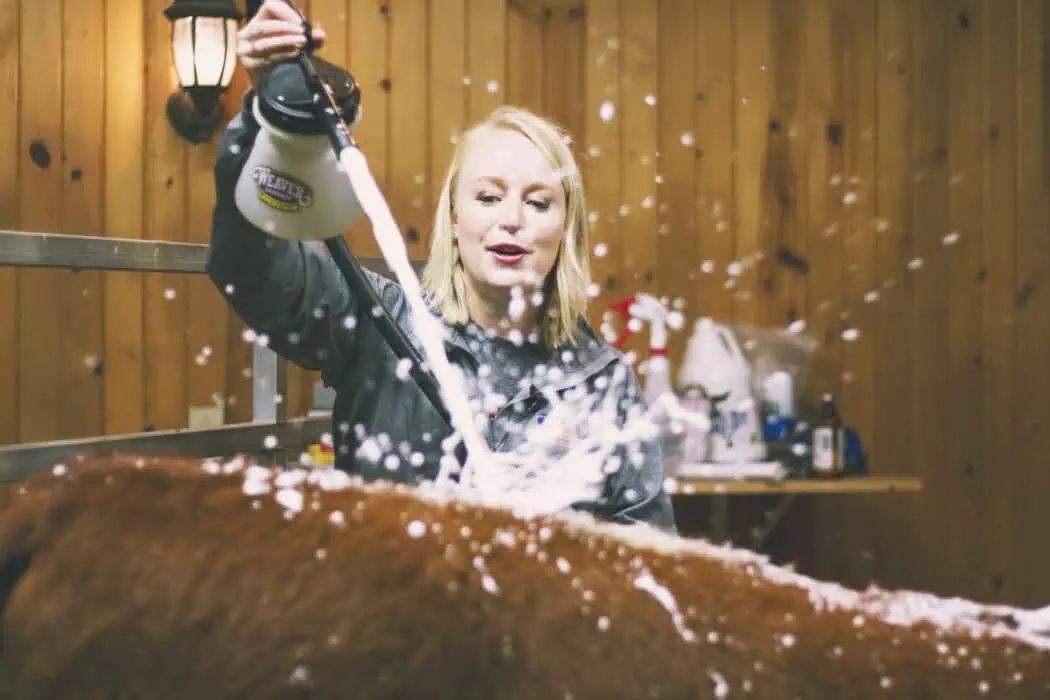
4. Avoid handling livestock alone when possible
Large animals can become unpredictable in confined spaces or stressful situations. Having another person nearby during sorting, loading, medical treatment, or transport can improve safety and provide assistance during emergencies.
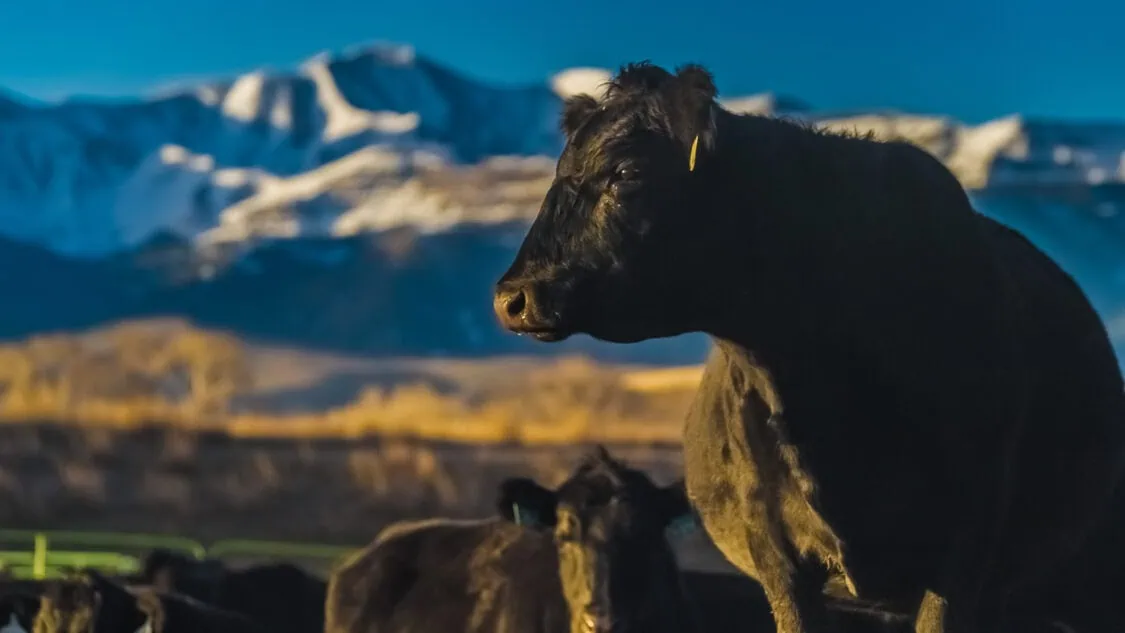
5. Prepare for livestock transportation emergencies
When transporting livestock, it’s important to alert emergency responders about the size, number, and condition of animals on board if an accident occurs. Quick communication can help responders manage the situation safely and reduce additional stress on the animals.
6. Plan ahead for severe weather
Storms, extreme heat, and freezing temperatures can quickly create dangerous conditions for livestock. When possible, provide shelter and keep extra feed available, especially since animals’ energy needs may increase during harsh weather conditions.
7. Have an emergency safety plan ready
Power outages, frozen water supplies, or feed delivery disruptions can impact livestock operations with little warning. Having backup plans for feeding, watering, and sheltering animals can help farms and ranches respond more effectively during emergencies.
For more rural and farm safety resources, visit Nationwide Agribusiness.
ProtectHer: Leading the Way in Farm and Ranch Safety
Since 1926, Nationwide®—founded by farmers, for farmers—has been committed to protecting what matters most. Today, that legacy continues through ProtectHer, a partnership with FarmHER + RanchHER that celebrates the women who lead with care, courage, and intention.

Across generations, women have often played a vital role in protecting their families, farms, and futures. On the road, in the fields, and at home, they are frequently the driving force behind safety and sustainability. ProtectHer honors these women – those who make safety second nature and legacy a priority.
Together we’re creating a ripple effect of protection across farms, ranches, and ag operations—because when women lead, everyone is safer.